
What is the true role of makeup?
Makeup is a tool for managing perception and projecting identity. Its core value is simple: enabling you to communicate your ideal presentation.
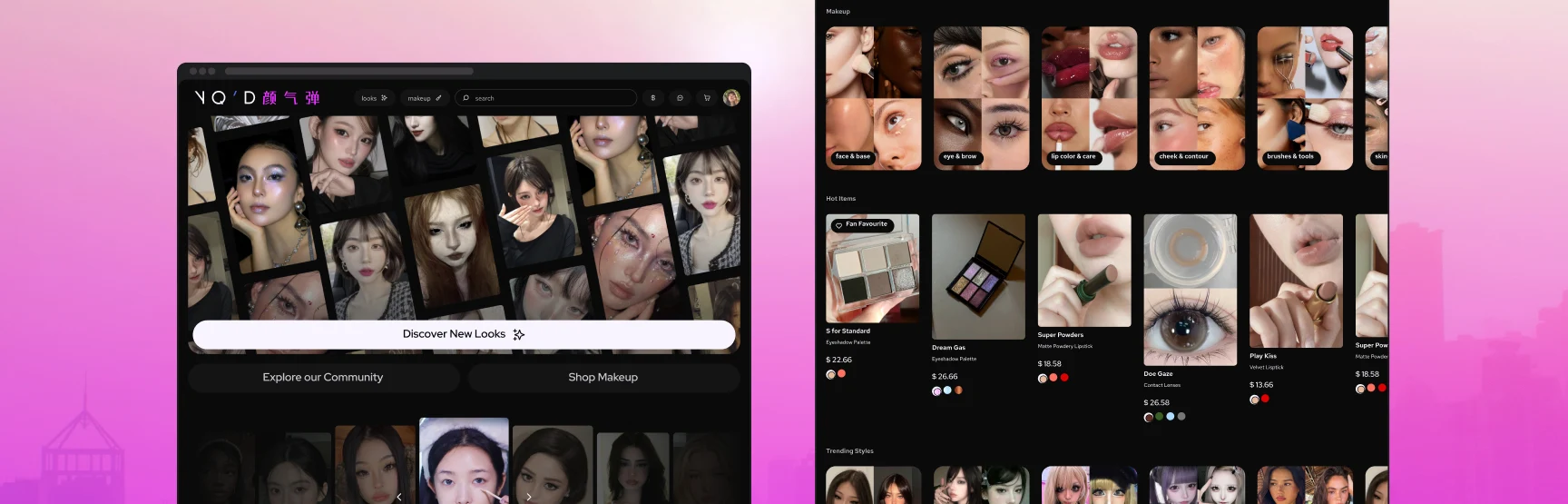
A beauty shopping platform that eliminates the need for social media validation by letting users find full looks on models who actually look like them.
1 month
(part time)
Strategy
and Design
Digital Experience Design
Postgraduate Diploma
"I follow creators with a similar face shape/skin type/color/style as me so I can get more inspiration." – Astor Lei
The Challenge: Platforms treat makeup as a commodity, ignoring its role as an identity-building tool. If users can't visualize the transformation on themselves, the value proposition fails.
Makeup is a tool for managing perception and projecting identity. Its core value is simple: enabling you to communicate your ideal presentation.
Brand models don't reflect the full user base. This makes online product visualization a "gamble", leading to abandoned carts or a detour to social media for validation.
3 interviews exploring how people discover and buy makeup: focusing on trust, social media's role, and what drives purchase confidence.
I mapped the discovery-to-purchase journey across social and retail platforms, with a focus on high-volume markets like China where this experience is most mature.
Platforms reviewed: TikTok Shop, Xiaohongshu, Sephora, ASOS, Pinterest.
Standard product shots aren't enough: users need more evidential proof before buying.
Users leave the shop to find creators with similar features who can validate their purchase.
Purchase intent rises when products are shown on faces that match the user's own.
3 in-depth interviews and secondary research, early 2025.
Problem Statement: If users can't visualize a product on their own face, they leave and look for this information on social media instead.
Enable browsing through aesthetic styles, not products
Show looks on faces similar to the user's own
Offer how-to content without leaving the platform
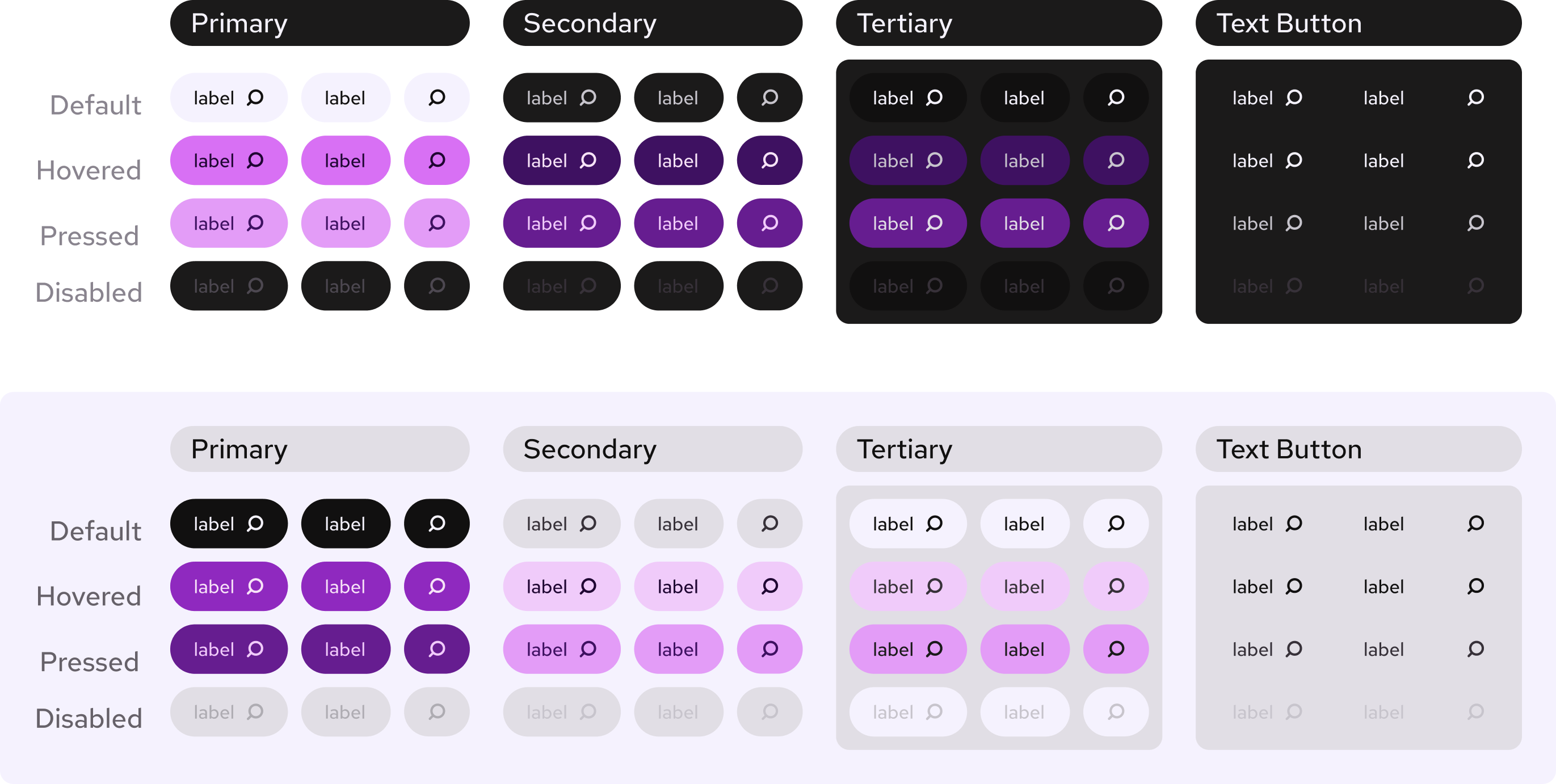
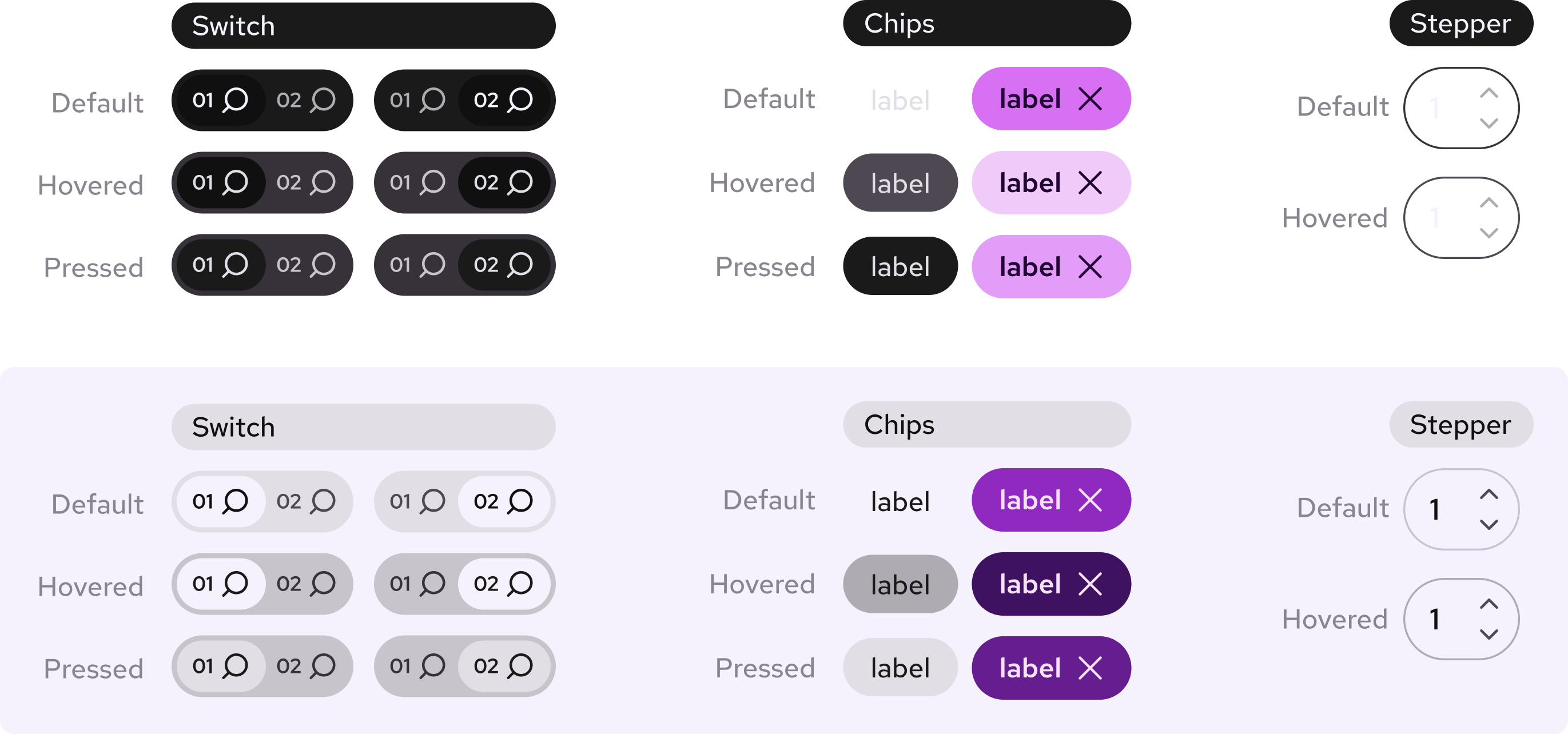
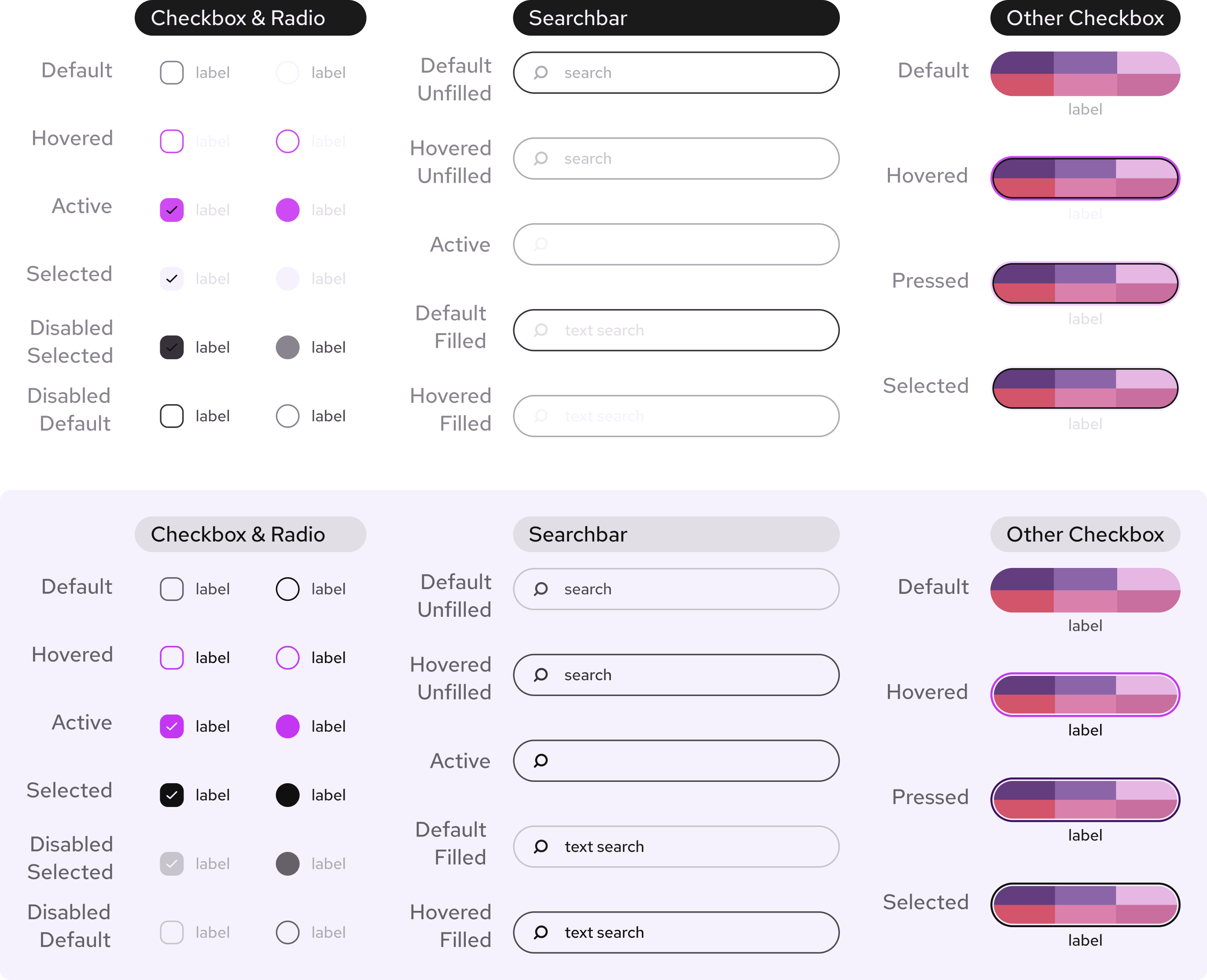
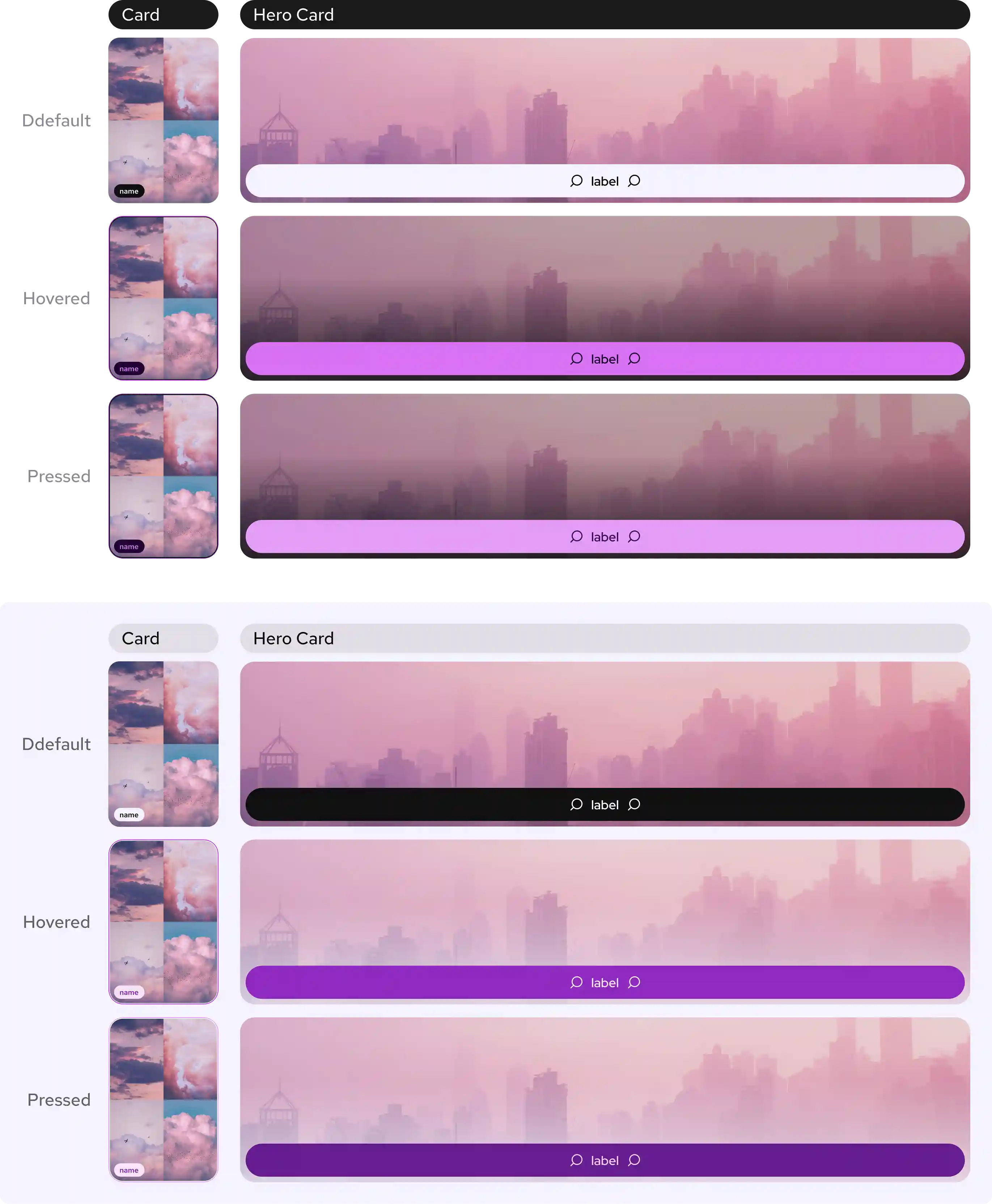
Use familiar UI to reduce cognitive load
Prioritize community content over brand marketing
Video carousels and a large CTA push inspiration over catalog browsing as the primary entry point.
Anatomical and style filters let users find looks on models who actually match their features.
"Swap Models" and Suitability Alerts ensure the makeup preview is realistic and achievable for the user.
A bare-face toggle lets users compare before committing, removing guesswork entirely.
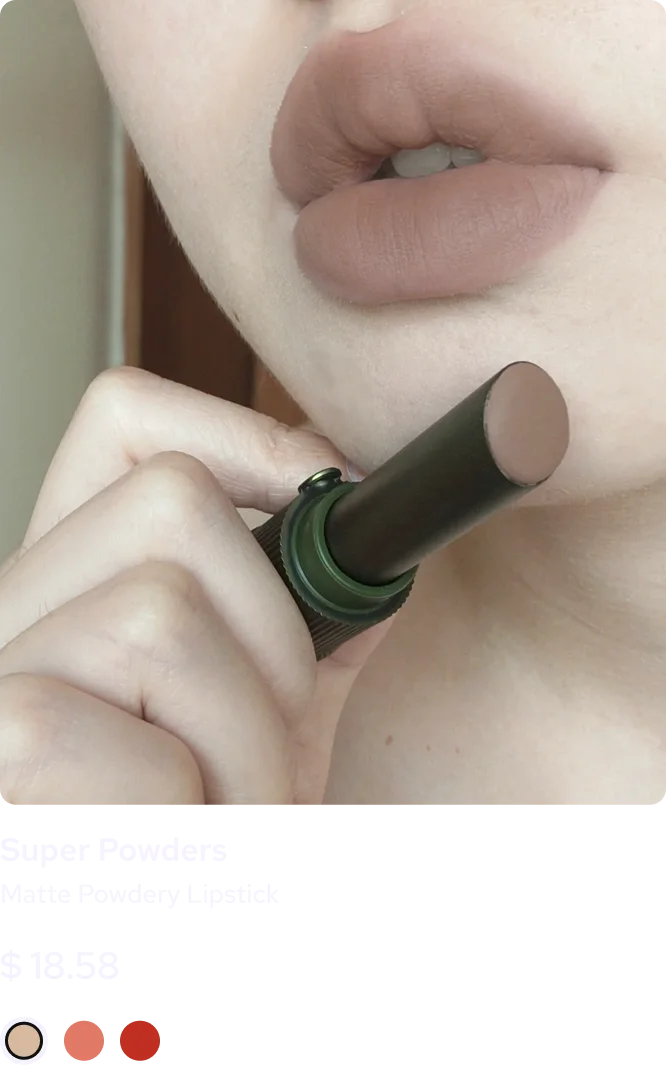
Known e-commerce and social patterns keep the interface intuitive while introducing a browsing-first concept.

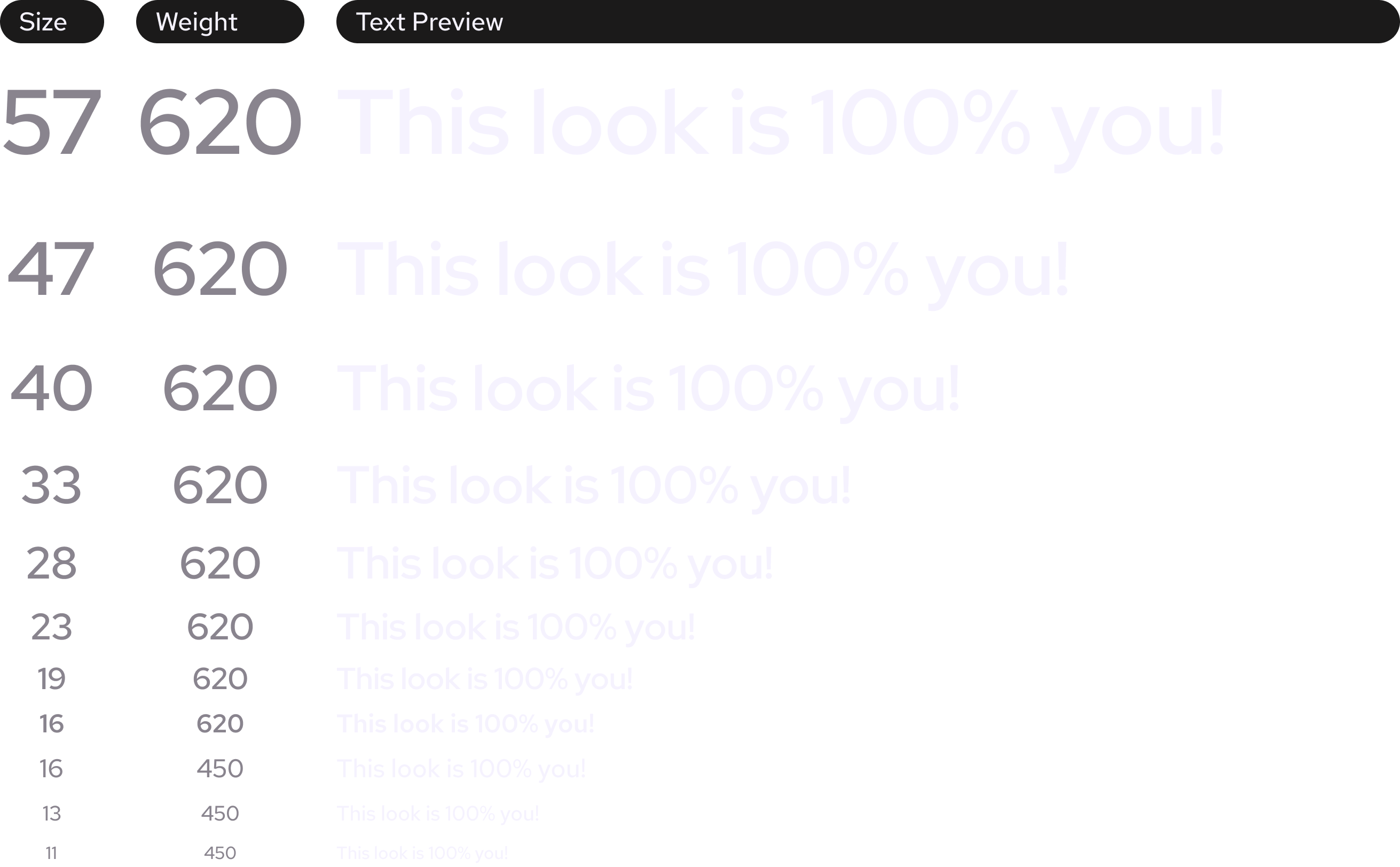
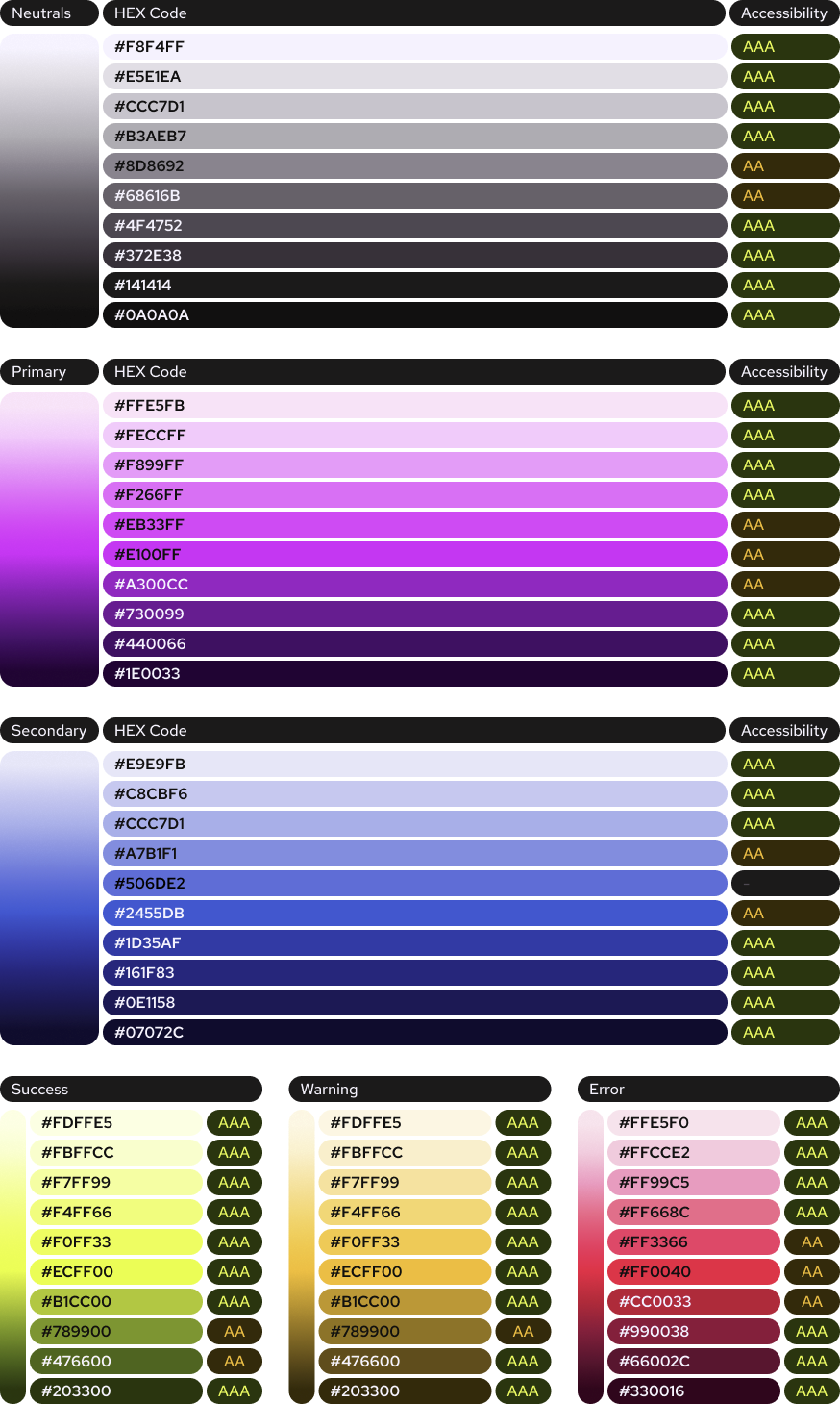
Relying only on corporate photography felt restrictive
Community-generated content would build more trust
Allow users to submit their own looks to the feed
Seed platform with professional creator content
Build a social commerce community forum
Evolve into a multi-brand "Full Look" marketplace
Check out my other work

Getting group expenses to the next level. No more awkward waiting times, no more debts between friends, no more barriers around the globe.